Bali for Digital Nomads in 2026: The Unfiltered Guide
We've spent years on and off in Bali. Here's what it's actually like — the parts Instagram shows and the parts it doesn't.
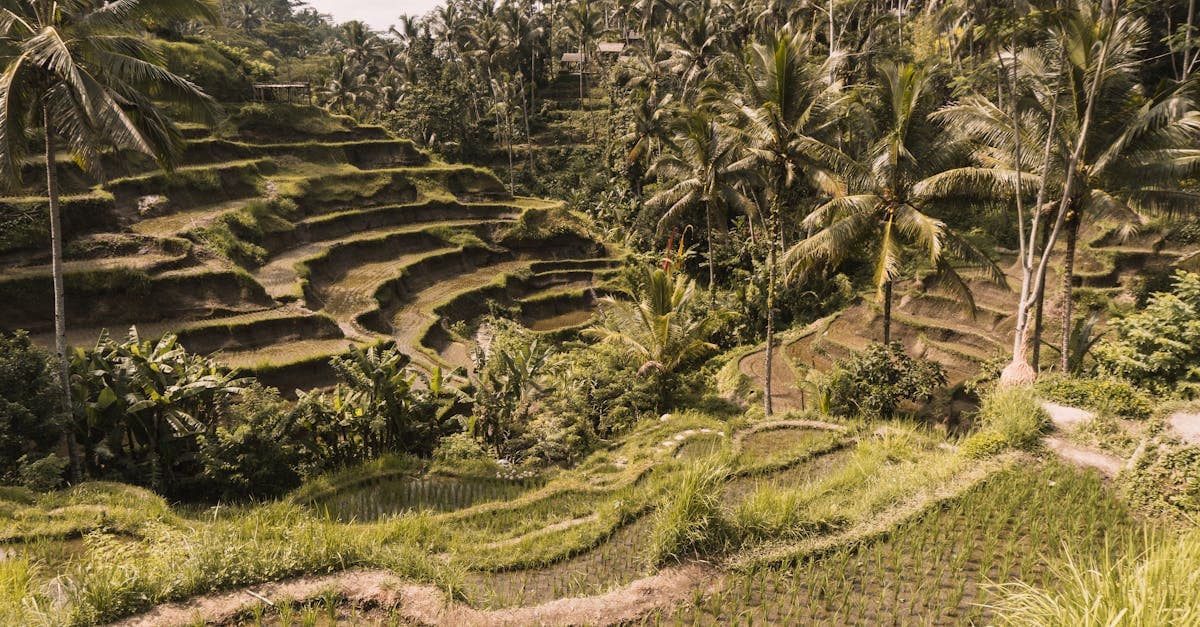
Bali is the most romanticized destination in the nomad world. The Instagram version: rice paddies, infinity pools, laptop-by-the-beach. The reality: traffic jams in Canggu, spotty wifi at that gorgeous cafe, and a visa system that keeps you guessing.
That said — we keep going back. There's a reason Bali dominates the nomad conversation. The combination of cost, community, beauty, and lifestyle is genuinely hard to beat. You just need to go in with realistic expectations.
The honest cost breakdown
Forget the "$500/month in Bali" headlines. That was 2019. Here's what comfortable actually costs in 2026:
| Category | Budget | Comfortable | Splurge | |----------|--------|-------------|---------| | Apartment/villa | $300–500 | $600–900 | $1,200+ | | Coworking | $80–150 | $100–200 | $200–350 | | Food | $200–300 | $400–600 | $800+ | | Scooter rental | $60–80 | $60–80 | $150 (car) | | Health/gym | $30–50 | $50–100 | $150+ | | Social/fun | $100–200 | $200–400 | unlimited | | Total | $770–1,280 | $1,410–2,280 | $2,500+ |
The "comfortable" column is what most nomads with steady income actually spend. A nice villa with a pool, coworking membership, eating well (mix of local and Western), going out on weekends.
The neighborhoods (honest version)
Canggu — The nomad epicenter
The vibe: Canggu is where "digital nomad culture" lives. It's the densest concentration of remote workers, cafes, coworking spaces, and nightlife on the island. If you want to be surrounded by your tribe, this is it.
The reality check: Canggu has a traffic problem. The roads weren't built for this many scooters. Your 2km commute to the coworking space can take 20 minutes at peak hours. The main strip (Batu Bolong) is getting expensive and touristy. The side streets still have gems.
Best for: First-timers in Bali, social butterflies, people who want community immediately.
Wifi reliability: 7/10. Most cafes and coworking spaces have decent wifi (20-50 Mbps). Your villa's wifi depends entirely on the landlord — always test before committing.
Ubud — The soul reset
The vibe: Rice terraces, yoga, art galleries, smoothie bowls. Ubud is the spiritual center of Bali and it genuinely delivers on that promise. The pace is slower, the air is cleaner, the community is different — more wellness-focused, more creative, fewer party people.
The reality check: It's inland, so no beach. The humidity is intense. The nomad infrastructure (coworking, fast wifi) isn't as developed as Canggu. Outpost Ubud is the main coworking hub.
Best for: Creative types, people who need a slower pace, anyone who's been-there-done-that with Canggu.
Seminyak — The polished option
The vibe: Seminyak is Canggu's better-dressed older sibling. Nicer restaurants, boutique hotels, higher-end everything. Fewer hostels, more proper cafes.
The reality check: It's pricier and less community-oriented. The nomad density is lower, which means fewer random connections. Better if you're traveling as a couple or prefer quality dining over quantity socializing.
Sanur — The quiet play
The vibe: East coast, calm beaches, sunrise side of the island. Sanur is where long-term expats often end up. It's quieter, cheaper, and has a more local feel.
The reality check: The nomad scene is tiny. You won't stumble into a meetup. But if you've already got your community (say, through NomadPoint) and want a calmer base, Sanur delivers.
Uluwatu — The surfer's retreat
The vibe: Cliffs, epic surf breaks, stunning sunsets. The most dramatic landscape on the island.
The reality check: It's isolated. Driving to Canggu is 45+ minutes. Coworking options are limited. Beautiful for a week; tough for a month if you need infrastructure and social energy.
The visa situation in 2026
This changes frequently. Here's the current state:
- Visa on Arrival (VOA): 30 days, extendable once to 60 days. Cost: ~$35. This is what most short-stay nomads use.
- B211A visa: 60 days, extendable to 180 days total. Need to apply through an agent before arrival (~$300-500 depending on agent). This is the nomad visa.
- KITAS: Longer-term permit, usually requires a sponsor. Overkill for most nomads.
- Golden Visa: For high-net-worth individuals ($350k+ investment). Not practical for most of us.
Pro tip: Use a visa agent for the B211A. Yes, it's an extra cost. No, don't try to navigate Indonesian bureaucracy yourself. It's not worth the stress.
NomadPoint tracks your Bali visa countdown automatically when you log your stay — including extension deadlines and the point of no return for exit flights.
The internet reality
This is the make-or-break for remote workers.
Coworking spaces: Reliable. Dojo Bali, Tropical Nomad, Outpost — these all have business-grade internet (50-100 Mbps), backup connections, and spaces designed for video calls. Budget $100-200/month.
Cafes: Variable. Some are great (Crate Cafe, Machinery Cafe). Some will drop your Zoom call mid-sentence. Always have your phone hotspot ready.
Villas: This is where it gets dicey. Bali's infrastructure varies block by block. One villa has 100 Mbps fiber, the next one down has 10 Mbps DSL. Always do a speed test before signing a lease. If the landlord says "wifi included," test it during business hours, not at midnight.
Mobile data: Telkomsel is the best carrier. Get a local SIM at the airport. 50GB costs about $10. This is your backup plan, and you will need it.
What nobody tells you
The heat and humidity. If you're coming from a temperate climate, the first two weeks will drain your energy. Your productivity will dip. Budget for AC in your work space — trying to save money with a fan-only villa will cost you in output.
The rain. November through March is wet season. Not drizzle — full tropical downpours that flood roads and knock out power. It usually passes in an hour, but it will disrupt your schedule. Dry season (April–October) is significantly better for daily life.
The traffic is getting worse. Canggu in particular. Google Maps says 10 minutes, reality says 30. If you have a morning standup, live within walking distance of a coworking space or your favorite cafe.
Bali belly is real. It'll probably happen once. Stick to busy local warungs (high turnover = fresh food), avoid ice from street vendors, and keep Imodium handy. After the first month, your stomach adjusts.
The community is transient. This is the double-edged sword. You'll meet incredible people. Many of them will leave in 2-4 weeks. The deep friendships come from repeat visits or staying longer. NomadPoint's friend tracking helps here — you can see when friends are coming back, making it easier to overlap on purpose.
The 30-day play
If you have one month in Bali, here's what we'd do:
Week 1-2: Base in Canggu. Get your bearings, join a coworking space, attend a meetup (check NomadPoint events or local Facebook groups). Rent a scooter.
Week 3: Day trip or overnight to Ubud. Try a different rhythm. If you love it, extend.
Week 4: Lock in your favorite spots. The cafe where you work best. The warung you eat at three times a week. The sunset spot. By now you know if Bali is a one-month thing or a three-month thing.
Is Bali still worth it in 2026?
Yes. But not for the reasons Instagram suggests.
It's not worth it for the aesthetic. Every tropical destination has pretty views. It's worth it for the community density — the sheer number of interesting, ambitious, location-independent people packed into a small island. That's hard to replicate.
The costs have risen. The traffic is worse. The visa is more complicated. But the human infrastructure — the network of nomads, entrepreneurs, and creators — is still unmatched in Southeast Asia.
Come for a month. Judge it honestly. And track your visa days.
NomadPoint Team
Written by nomads who've lived in 30+ countries. We build the tools we wish existed.